
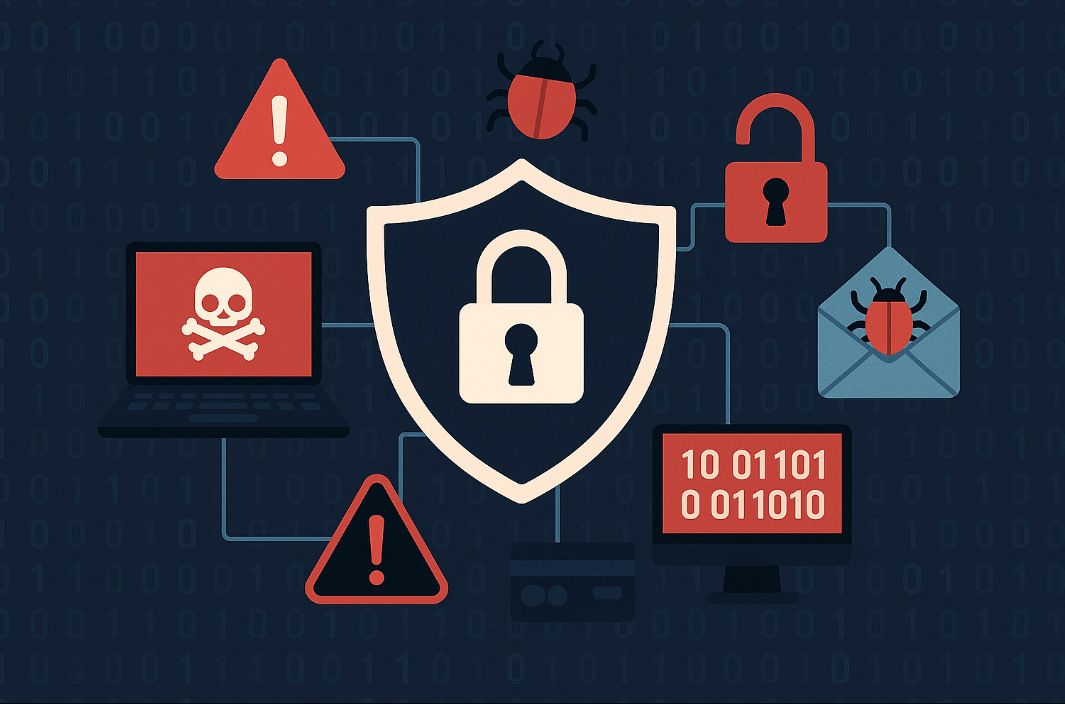
In an increasingly digital world, the risk of cyber attacks continues to grow for individuals, businesses, and organizations. As technology evolves, so do the tactics used by cybercriminals. Staying informed about cybersecurity threats 2026 and beyond is essential to protecting sensitive data, maintaining privacy, and ensuring business continuity.
This guide explores the most common types of cyber attacks, how they work, and the best strategies to prevent them.
What Are Cyber Attacks?
Cyber attacks are malicious attempts to access, disrupt, or damage computer systems, networks, or data. These attacks can target individuals, businesses, or government systems and often aim to steal information, demand ransom, or cause operational disruptions.
Common Types of Cyber Attacks
Understanding different types of cyber attacks is the first step toward prevention.
Phishing Attacks
Phishing involves tricking users into providing sensitive information such as passwords or financial details through fake emails or websites.
Malware Attacks
Malware includes viruses, ransomware, and spyware designed to damage systems or steal data.
Ransomware
A form of malware that locks or encrypts data and demands payment for its release.
Distributed Denial of Service (DDoS)
These attacks overwhelm a system with traffic, causing it to crash or become unavailable.
Man-in-the-Middle (MitM) Attacks
Attackers intercept communication between two parties to steal data.
Password Attacks
Hackers attempt to gain access by guessing or cracking passwords.
Emerging Cybersecurity Threats
As we look ahead, cybersecurity threats 2026 are expected to become more advanced and sophisticated.
AI-Powered Attacks
Cybercriminals are increasingly using artificial intelligence to automate and enhance attacks.
Cloud Security Risks
With more businesses relying on cloud platforms, vulnerabilities in cloud systems are becoming a major concern.
IoT Vulnerabilities
Connected devices can be exploited if not properly secured.
Social Engineering Attacks
These attacks manipulate human behavior to gain access to sensitive information.
Prevention Strategies for Cyber Attacks
Protecting against cyber attacks requires a proactive approach.
Use Strong Passwords
Create complex passwords and update them regularly to reduce the risk of unauthorized access.
Enable Multi-Factor Authentication
Adding an extra layer of security significantly reduces the chances of account compromise.
Keep Software Updated
Regular updates fix security vulnerabilities and improve system protection.
Install Security Software
Use reliable antivirus and anti-malware tools to detect and prevent threats.
Educate Employees and Users
Awareness is key. Training users to recognize threats like phishing can prevent many attacks.
Backup Data Regularly
Maintaining backups ensures you can recover data in case of ransomware or system failure.
Cybersecurity Best Practices
Adopting best practices helps strengthen your defense against cybersecurity threats 2026.
Implement Network Security Measures
Use firewalls and secure network configurations to protect systems.
Monitor Systems Continuously
Regular monitoring helps detect suspicious activity early.
Limit Access Control
Grant access only to necessary users to minimize risk.
Use Encryption
Encrypt sensitive data to protect it from unauthorized access.
Develop an Incident Response Plan
Prepare a plan to respond quickly and effectively in case of an attack.
Common Mistakes to Avoid
Avoid these common errors when dealing with cyber attacks:
- Using weak or reused passwords
- Ignoring software updates
- Falling for phishing scams
- Not backing up data
- Overlooking employee training
Avoiding these mistakes significantly improves your security posture.
Why Cybersecurity Matters
Strong cybersecurity is essential for:
- Protecting sensitive data
- Maintaining customer trust
- Preventing financial losses
- Ensuring business continuity
With the rise of cybersecurity threats 2026, investing in security measures is more important than ever.
Final Thoughts
Understanding cyber attacks and staying informed about evolving cybersecurity threats 2026 is crucial in today’s digital landscape. By implementing strong prevention strategies and following cybersecurity best practices, individuals and businesses can reduce risks and protect their digital assets.
Cybersecurity is not a one-time effort—it requires continuous monitoring, adaptation, and awareness to stay ahead of emerging threats.