
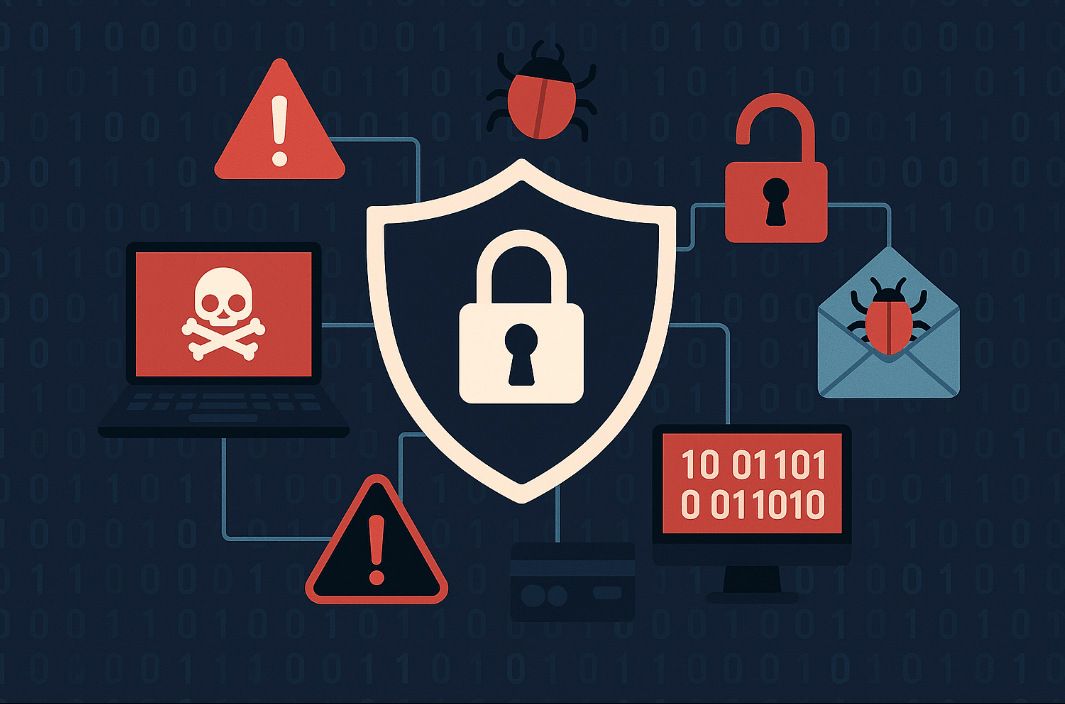
Cybersecurity threats in 2026 are expected to become more sophisticated, targeted, and damaging as organizations continue to rely on digital platforms, cloud services, and remote work environments. Cyber attacks are no longer limited to large enterprises—small businesses, individuals, and public institutions are increasingly becoming prime targets.
As threat actors evolve their techniques, understanding the latest cybersecurity threats and how to defend against them is critical. This guide explores the most significant cyber attacks to watch in 2026, the vulnerabilities they exploit, and practical defense strategies for organizations and individuals.
The Changing Cybersecurity Landscape in 2026
The cybersecurity environment is constantly evolving due to rapid digital transformation, increased cloud adoption, and the growing use of connected devices. Attackers are leveraging automation, artificial intelligence, and social engineering to bypass traditional security measures.
Cybersecurity threats 2026 are characterized by:
- Highly targeted and stealthy cyber attacks
- Exploitation of human behavior and trust
- Increased attacks on cloud and remote infrastructures
- Greater financial and operational impact
This shift means organizations must move beyond reactive security models and adopt proactive defense strategies.
Advanced Phishing and Social Engineering Attacks
Phishing remains one of the most common cyber attacks, but in 2026 it is expected to become far more convincing. Attackers now use detailed personal and organizational information to craft realistic messages that trick users into revealing sensitive data.
Common tactics include:
- Impersonation of trusted brands or executives
- Fraudulent login pages designed to steal credentials
- Voice and messaging-based phishing campaigns
These attacks exploit human vulnerability rather than technical flaws, making employee awareness and training a critical defense.
Ransomware and Extortion-Based Cyber Attacks
Ransomware continues to be a dominant cybersecurity threat, with attackers shifting toward more aggressive extortion tactics. Instead of only encrypting data, attackers also threaten to leak sensitive information if demands are not met.
In 2026, ransomware attacks are expected to:
- Target critical infrastructure and essential services
- Focus on organizations with weak backup strategies
- Combine data theft with operational disruption
Strong backup systems, access controls, and rapid incident response plans are essential to minimizing ransomware damage.
Cloud Security Threats and Misconfigurations
As businesses increasingly rely on cloud platforms, misconfigured cloud environments have become a major attack vector. Cyber attacks often exploit unsecured storage, weak access controls, and poorly managed credentials.
Common cloud-related threats include:
- Unauthorized access to cloud resources
- Data exposure due to configuration errors
- Abuse of compromised cloud accounts
Understanding shared responsibility models and implementing continuous cloud security monitoring are key defense strategies.
Supply Chain and Third-Party Attacks
Cyber attackers are increasingly targeting supply chains to gain access to larger networks. Instead of attacking an organization directly, threat actors compromise vendors, software providers, or service partners.
These cyber attacks are difficult to detect because they originate from trusted sources. In 2026, supply chain vulnerabilities are expected to remain a significant concern.
Reducing risk requires:
- Thorough vendor security assessments
- Continuous monitoring of third-party access
- Strong contractual security requirements
Internet of Things and Connected Device Vulnerabilities
The rapid growth of connected devices has expanded the attack surface for cyber threats. Many Internet of Things devices lack strong security controls, making them attractive targets for attackers.
Cybersecurity threats linked to connected devices include:
- Unauthorized access to networks
- Device hijacking and botnet creation
- Data interception and manipulation
Securing connected devices through network segmentation, regular updates, and strong authentication is essential.
Insider Threats and Credential Abuse
Not all cyber attacks come from external sources. Insider threats—whether intentional or accidental—continue to pose serious risks. Compromised credentials are one of the most common causes of data breaches.
In 2026, insider-related cybersecurity threats are expected to grow due to:
- Increased remote work environments
- Use of shared or weak passwords
- Lack of access control monitoring
Implementing identity management solutions and monitoring user behavior can help detect and prevent insider risks.
Artificial Intelligence-Driven Cyber Attacks
Attackers are increasingly using artificial intelligence to automate and enhance cyber attacks. AI-driven threats can adapt quickly, identify vulnerabilities, and evade detection more effectively than traditional attacks.
Potential risks include:
- Automated vulnerability scanning
- AI-generated phishing content
- Rapid malware evolution
To counter these threats, organizations must also leverage AI-powered security tools for threat detection and response.
Key Defense Strategies Against Cybersecurity Threats in 2026
Protecting against evolving cyber attacks requires a multi-layered security approach. No single solution can address all threats, making defense-in-depth essential.
Effective strategies include:
- Regular security awareness training
- Strong access control and authentication practices
- Continuous system and network monitoring
- Secure backup and recovery planning
- Timely patching and vulnerability management
Organizations should also adopt zero-trust security principles, where no user or system is trusted by default.
Building a Proactive Cybersecurity Culture
Technology alone cannot stop cyber attacks. Building a security-focused culture is just as important. Employees should understand their role in protecting data and systems.
Encouraging secure behaviors, reporting suspicious activity, and conducting regular security assessments help strengthen overall resilience against cybersecurity threats.
Why Staying Ahead of Cybersecurity Threats Matters
The cost of cyber attacks goes beyond financial loss. Reputational damage, operational downtime, and legal consequences can have long-term effects on organizations.
Staying informed about cybersecurity threats in 2026 enables businesses to adapt their security strategies, protect sensitive data, and maintain customer trust in an increasingly digital world.
Final Thoughts
Cybersecurity threats in 2026 will continue to evolve in complexity and scale, driven by advanced technologies and expanding digital ecosystems. From phishing and ransomware to cloud and supply chain attacks, organizations face a wide range of cyber risks.
By understanding emerging cyber attacks, addressing vulnerabilities, and implementing strong defense strategies, businesses and individuals can reduce risk and build a more secure digital future.